Long Term Internship

Description Gained hands-on experience in networking, Linux system administration, and cloud platforms (AWS, Azure, Cloudflare, VMware). Configured and monitored servers, automated tasks with Bash scripts, and deployed web applications using WordPress, WooCommerce, and Electron.js. Built and deployed a portfolio site with Next.js + TypeScript to showcase completed projects. Technologies Linux | Networking | Bash | AWS | Azure | Cloudflare | VMware | WordPress | WooCommerce | Electron.js | Next.js | TypeScript

Feb 2025 - Jun 2026 1 min · 72 words

DevOps Engineering Intern

Description Worked as a DevOps Engineering Intern, focusing on learning and supporting the automation and optimization of development and deployment processes. Developed and managed Docker containers for applications, enhancing my understanding of containerization and its benefits. Gained hands-on experience with Linux, including command-line operations, scripting, and system management, significantly improving my proficiency with the OS. Supported the configuration and basic management of PlusClouds own LEO services, learning the fundamentals of cloud infrastructure. Automated routine tasks using Bash scripts. Collaborated with senior team members to troubleshoot and resolve deployment issues, learning best practices and problem-solving techniques. Adapted to remote work, effectively communicating and collaborating with team members across different locations.

Oct 2022 - Feb 2023 1 min · 109 words

Student

Description Participated in the Siber Vatan program, receiving extensive training in various areas of cyber security. Completed courses on “Cyber Security for Linux”, “Penetration Testing”, “Social Engineering”, “Certified Ethical Hacker (CEH)”, “Web Security”, “Reverse Engineering”, and “Blockchain”. Worked collaboratively with peers who shared similar interests, enhancing our collective knowledge and skills in cyber security. Gained practical experience through hands-on exercises and simulations, applying theoretical knowledge to real-world scenarios. Developed a strong foundation in Linux, learning essential command-line operations, scripting, and system security practices. Conducted penetration tests to identify and mitigate vulnerabilities in systems and networks, improving my ethical hacking skills. Explored social engineering techniques and learned how to protect against such attacks, understanding the human element in cyber security. Studied web security principles, learning to secure web applications against common threats and vulnerabilities. Delved into reverse engineering, gaining insights into how software and systems can be analyzed and deconstructed. Investigated blockchain technology and its applications in cyber security, understanding its potential and limitations. Engaged in continuous learning and development, staying up-to-date with the latest trends and advancements in the field of cyber security.

Jun 2019 - Feb 2023 1 min · 183 words

Founding Member and Captain - Cyberus Cyber Security Team

Description Founding member and captain of the Cyberus Cyber Security Team at Kocaeli University, a volunteer role dedicated to promoting cyber security awareness and skills. Led the team as captain for the first year, coordinating team activities, managing projects, and fostering a collaborative and motivated team environment. Organized and delivered training sessions on cyber security and Linux, providing team members with the necessary skills and knowledge to excel in the field. Developed and implemented team strategies for participating in cyber security competitions and challenges, enhancing the team’s performance and reputation. Actively contributed to the growth and development of the team from its inception, playing a key role in establishing a strong foundation and culture of learning. Facilitated workshops and seminars on various cyber security topics, engaging the university community and raising awareness about the importance of cyber security.

Sep 2022 - May 2024 1 min · 138 words

VPN nedir?

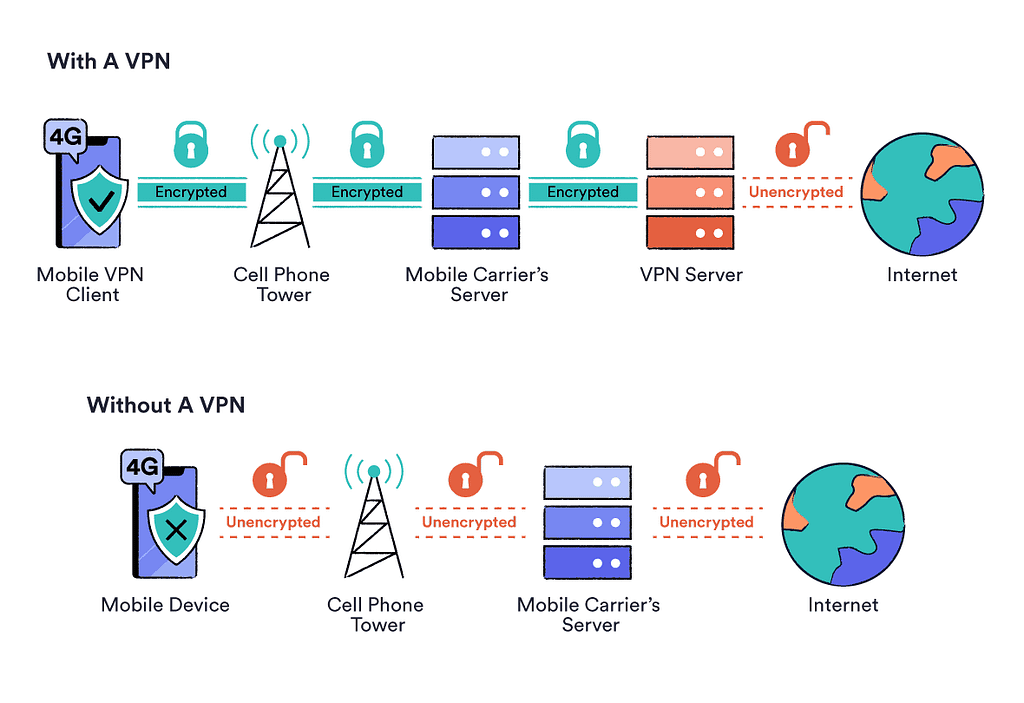
🔗 Medium’da Oku VPN (Sanal Özel Ağ), internet gibi genel veya güvenilmeyen bir ağ üzerinden güvenli ve şifreli bir bağlantı oluşturan bir teknolojidir. Kullanıcıların gizliliği ve güvenliği korurken özel ağlara erişmelerini ve verileri genel ağlar aracılığıyla uzaktan paylaşmalarını sağlar. VPN, kullanıcının internet bağlantısını, kullanıcı ile internet arasında aracı görevi gören uzak bir sunucu üzerinden yönlendirerek çalışır. Kullanıcı ile internet arasında iletilen veriler şifrelenir, bu nedenle yetkisiz kişiler tarafından ele geçirilemez veya erişilemez. Bu, kullanıcıların internete ve özel belgeler ve finansal bilgiler gibi hassas bilgilere dünyanın herhangi bir yerinden güvenli bir şekilde erişmelerini mümkün kılar. ...

4 min · 730 words

Ubuntu 20.04LTS PowerDNS kurulumu

🔗 Medium’da Oku ### DNS nedir? DNS (Alan Adı Sistemi), insan tarafından okunabilir alan adlarını IP adreslerine dönüştüren dağıtılmış ve hiyerarşik bir sistemdir. Bilgisayarlar ve diğer cihazlar birbirleriyle etki alanı adlarını değil IP adreslerini kullanarak iletişim kurduklarından, bu, web sitelerine ve diğer internet tabanlı hizmetlere erişmek için çok önemlidir. Bir kullanıcı tarayıcıya bir etki alanı adı yazdığında, aygıtı bir DNS sunucusuna bir istek gönderir ve ardından ilgili IP adresini arar ve cihaza döndürür. Cihaz daha sonra istenen web sitesi veya hizmetle bağlantı kurmak için IP adresini kullanabilir. ...

4 min · 844 words

OpenVPN server kurulumu ve client konfigürasyonu oluşturma

🔗 Medium’da Oku ### Gereksinimler- İki adet Ubuntu 20.04 kurulu makine. Bu makinelerin birinde sertifikalarımızı onaylayacağız, diğerinde ise OpenVPN servisimizi kuracağız.- Kuruluma bağlanabilmek için client olacak herhangi bir işletim sistemi kurulu cihaz. (Android, İOS, MacOS, Windows, Linux) Ben kendi makinemde kurulu olan Arch Linux’u kullanacağım.### Sertifikalarımızı onaylayacağımız makinenin kurulumunu ve konfigürasyonunu yapalım Not: Bu kısımda bulunanları makinenizde root kullancısı olarak değil, normal bir kullanıcı olarak yapmamız gerekmektedir. Aşağıdaki komutlar ile sertifikaları yönetmemizi sağlayan aracı makinemize kuralım. ...

8 min · 1662 words

LEMP stack ile Drupal kurulumu

🔗 Medium’da Oku Drupal nedir? Drupal ücretsiz, açık kaynaklı bir içerik yönetim sistemi ya da içerik yönetim’e odaklı bir altyapı yazılımıdır. Modüler yapısı sayesinde, web uygulama çatısı, topluluk portalı, forum ya da blog motoru olarak da kullanılabilmektedir. Drupal şu anda mevcut olan en popüler CMS’lerden biridir ve devlet kurumları, büyük dernekler, kar amacı gütmeyen kuruluşlar ve birçok Fortune 500 şirketi tarafından kullanılmaktadır. LEMP stack nedir? LEMP, web uygulamaları geliştirmek için kullanılan açık kaynaklı bir web uygulaması yığınıdır. LEMP terimi, Linux işletim sistemi için L, Nginx web sunucusu (engine-x olarak telaffuz edilir, dolayısıyla kısaltmada E olarak telaffuz edilir), MySQL veritabanı için M ve PHP dili için P’yi temsil eden bir kısaltmadır. ...

8 min · 1589 words

Self-Hosted Infrastructure

Overview I set up and maintain on-premise infrastructure for organizations that need full control over their data, cannot move to the cloud due to regulatory requirements, or want predictable hosting costs. From bare-metal Linux servers to Docker Swarm clusters running local AI models, I handle the full stack - with monitoring, backup, and disaster recovery built in. What I Can Do For You Server Setup and Administration Linux server provisioning: Ubuntu, Debian, Rocky Linux - secure baseline, firewall, fail2ban, auditing Docker orchestration: Compose for small deployments, Docker Swarm or Nomad for clusters Reverse proxy: Nginx, Caddy, or Traefik - TLS termination, virtual hosting, rate limiting Backup and disaster recovery: Automated off-site backups, snapshot rotation, restore drills Local AI Deployment LM Studio / Ollama: Deploy open-source LLMs (Llama, Mistral, Qwen) on local hardware GPU acceleration: NVIDIA CUDA setup, container runtime configuration, model quantization API gateways: Expose local models via OpenAI-compatible APIs for your applications to consume Air-gapped environments: Fully offline AI deployment with no external dependencies Infrastructure Management Monitoring: Prometheus + Grafana stack, uptime monitoring, alerting Logging: Centralized logging with Loki or ELK stack VPN: WireGuard or Tailscale for secure remote access CI/CD self-hosted: GitLab Runner or Jenkins on your own hardware Why On-Premise? Data sovereignty: Sensitive data never leaves your network Predictable costs: Fixed hardware costs - no cloud egress surprises Latency: Sub-millisecond access for local AI inference Compliance: Meet GDPR, HIPAA, SOC 2 requirements without cloud dependency Technologies OS: Linux (Ubuntu, Debian, Rocky Linux, Arch) Containers: Docker, Docker Compose, Docker Swarm AI: LM Studio, Ollama, local LLMs Web: Nginx, Caddy, Traefik Monitoring: Prometheus, Grafana, Uptime Kuma Networking: WireGuard, Tailscale, iptables, nftables Backup: Borg, Restic, rsync

2 min · 276 words

TLS ile OpenLDAP Multimaster replication konfigürasyonu

🔗 Medium’da Oku En az 2 adet openLDAP kurulu sanal makine. Bu yazıda Ubuntu 22.04 LTS kullanacağız. Aynı dağıtımları kullanmanız şiddetle tavsiye edilir.- Kullanacağımız sanal makinelerin hepsinde kurulu ve senkronize çalışan NTP server.### LDAP Nedir ? Lightweight Directory Access Protocol veya kısaca LDAP (*Basit İndeks Erişim Protokolü*) TCP/IP üzerinde çalışan indeks servislerini sorgulama ve değiştirme amacıyla kullanılan uygulama katmanı protokolü. Bu protokol, OpenLDAP, Sun Directory Server, Microsoft Active Directory gibi indeks sunucuları tarafından kullanılmaktadır. Başlangıç için veritabanına benzer yapıda diyebiliriz fakat bir veritabanı ile en temel farkı hiyerarşik bir yapıda olmamasıdır. ...

7 min · 1306 words